
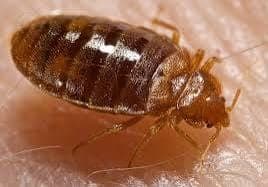
Bed bugs (Cimex lectularius) are small, flat, reddish-brown insects that feed on human blood while you sleep. They don't fly and can't jump far, but they spread easily between rooms, beds and buildings by hitching a ride in luggage, furniture and clothing.
An infestation can take hold quietly for weeks before it's noticed, which is why knowing the early warning signs matters as much as knowing how to treat one.
Signs of a Bed Bug Infestation
- Clusters or lines of bite marks, often on arms, legs and shoulders, that appear after sleeping
- Small rust- or dark-coloured spots on sheets and mattress seams — these are bed bug droppings
- A musty, sweetish odour in the room when numbers are high
- Tiny pale eggs, shed skins, or the bugs themselves in mattress seams and crevices
- Small blood smears on bedding from crushed bugs
Where Bed Bugs Hide
Bed bugs favour tight seams and cracks close to where people sleep. The most common hiding spots are mattress and box spring seams, bed frame joints, skirting boards, behind loose wallpaper, inside picture frames, and in upholstered furniture.
- Mattress and box spring seams
- Bed frames and headboards
- Skirting boards and carpet edges
- Upholstered chairs and sofas
- Suitcases and other luggage
What Causes a Bed Bug Infestation
Bed bugs aren't a sign of a dirty home — they're a sign of contact with an infested item or space. They travel most often in luggage after staying in an infested hotel room, in secondhand furniture or mattresses, and between units in apartment blocks and hotels where they move along pipes and through shared walls.
How to Get Rid of Bed Bugs
Because bed bugs hide deep in seams and structural gaps, DIY sprays alone rarely reach every bug and every egg. A thorough approach combines preparation with targeted treatment.
- 01Confirm the infestation — identify live bugs, eggs or droppings before treating, since several other insects are mistaken for bed bugs
- 02Declutter the room and vacuum mattresses, bed frames, skirting boards and carpet edges thoroughly
- 03Wash all bedding and clothing on the hottest safe setting, or heat-treat items that can't be washed
- 04Pull the bed away from walls and remove skirts/valances so bugs can't climb up undetected
- 05Have a professional apply targeted chemical or heat treatment to the room, including cracks, seams and voids
- 06Book a follow-up treatment 10–14 days later to catch any eggs that hatched after the first visit
Preventing Bed Bugs From Coming Back
- Inspect secondhand furniture and mattresses closely before bringing them indoors
- Use a protective, zip-sealed encasement on mattresses and box springs
- Vacuum bedrooms regularly, paying attention to seams and skirting boards
- Check luggage and clothing after staying away from home, especially after hotel stays
When to Call a Professional
If bites are appearing daily, if you've found bugs in more than one room, or if a first round of DIY treatment hasn't stopped the problem within a week or two, it's time to bring in a professional. Bed bugs are resilient and a partial treatment can leave enough survivors to rebuild the infestation.
Frequently Asked Questions
Can I get rid of bed bugs without professional help?
For a very small, early-stage infestation confined to one item, thorough cleaning and heat treatment can help. For anything beyond that, professional treatment is far more reliable — bed bugs hide in gaps that household sprays and steam often can't fully reach, and surviving eggs can restart the problem within weeks.
Do bed bugs mean my home is dirty?
No. Bed bugs are attracted to people, not dirt — they feed on blood, not food waste or clutter. Spotlessly clean homes and five-star hotels get bed bugs too, usually from a guest's luggage or secondhand furniture.
How long does professional bed bug treatment take?
Most infestations need an initial treatment followed by a check-up and, in many cases, a second treatment 10–14 days later to deal with any eggs that have since hatched. Full resolution typically takes two to four weeks from the first visit.