
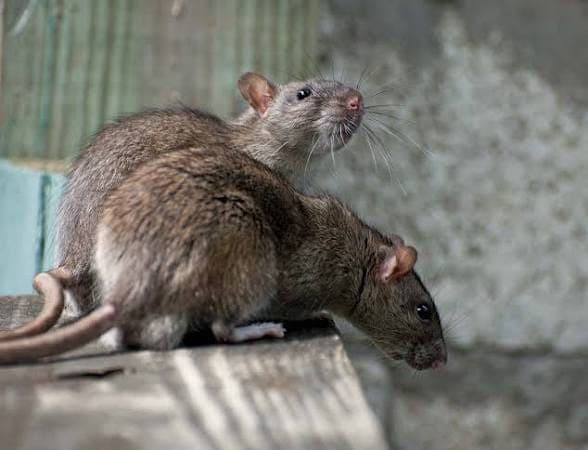
Rats and mice (Rattus and Mus species) are nocturnal, fast-breeding rodents that can establish themselves in a roof void, wall cavity or storeroom long before they're seen. By the time scratching is heard at night, an infestation is usually already established.
Signs of a Rodent Infestation
- Droppings along skirting boards, in cupboards, or in roof spaces
- Gnaw marks on food packaging, skirting, wiring and wood
- Scratching or scurrying sounds in ceilings and walls, usually at night
- Dark grease marks along skirting boards and frequently used runways
- Nests made of shredded paper, fabric or insulation in hidden corners
Health and Property Risks
Rodents contaminate food and surfaces with droppings and urine, and are known carriers of several diseases transmissible to humans. They're also a genuine property risk — rodents gnaw continuously to keep their teeth from overgrowing, and chewed electrical wiring is a recognised cause of household fires.
How to Get Rid of Rodents Step by Step
- 01Identify entry points and nesting areas — check roof voids, gaps under doors, and where pipes or cables enter the building
- 02Remove easy food and water access, storing food in sealed containers and fixing dripping taps
- 03Seal gaps larger than a pencil's width, since mice can squeeze through surprisingly small openings
- 04Place traps or bait stations strategically along known runways, not just where droppings are seen
- 05Have a professional handle placement, especially where children or pets are present, and follow up to confirm activity has stopped
Preventing Rodents From Returning
- Seal entry points permanently once activity has stopped, including around roof eaves and vents
- Keep stored food, including pet food and bird seed, in sealed containers off the floor
- Trim tree branches and vegetation away from the roofline, which rodents use to access buildings
- Schedule periodic inspections in older properties or those bordering open land
Frequently Asked Questions
How do I know if I have rats or mice?
Droppings are the quickest clue — rat droppings are larger (around 12–18mm) and more rounded, while mouse droppings are smaller (around 3–6mm) and more pointed at the ends. Gnaw marks and the width of gaps rodents fit through can also indicate which species is present.
Is professional rodent control safe for children and pets?
Yes, when handled correctly. Professional technicians use enclosed, tamper-resistant bait stations and place traps away from areas pets and children access, which is one of the main reasons professional placement is safer than DIY bait left in the open.